Key Takeaways
- Per CBB’s calendar, the main harvest in Aceh Gayo and North Sumatra runs October—March.
- Aceh Gayo adds a smaller secondary harvest from March—May.
- Exports typically run February—June, but dates shift each year, so confirm with your supplier each crop year.
- Combining Sumatra with Java, Bali, Sulawesi, Flores and Papua extends supply across the year.
Sumatra is Indonesia’s largest coffee-growing region, so most conversations about Indonesian green coffee begin here. But scale alone doesn’t tell you when the coffee will be ready or how it fits alongside other origins. A harvest calendar does. - Sumatra coffee doesn’t run on a single schedule. According to the Indonesia Coffee Harvest Calendar from Coffee Beyond Borders (CBB), Arabica from Aceh Gayo and North Sumatra has a main harvest from October to March and a typical export window of February to June. Aceh Gayo adds a smaller secondary harvest from March to May.
Dates here are indicative to the two Arabica areas, while Robusta from southern Sumatra follows a different cycle. In addition, Southern Sumatra Robusta harvests March—May in the lowlands and June—August in the highlands.
Why a Sumatra Coffee Calendar Matters
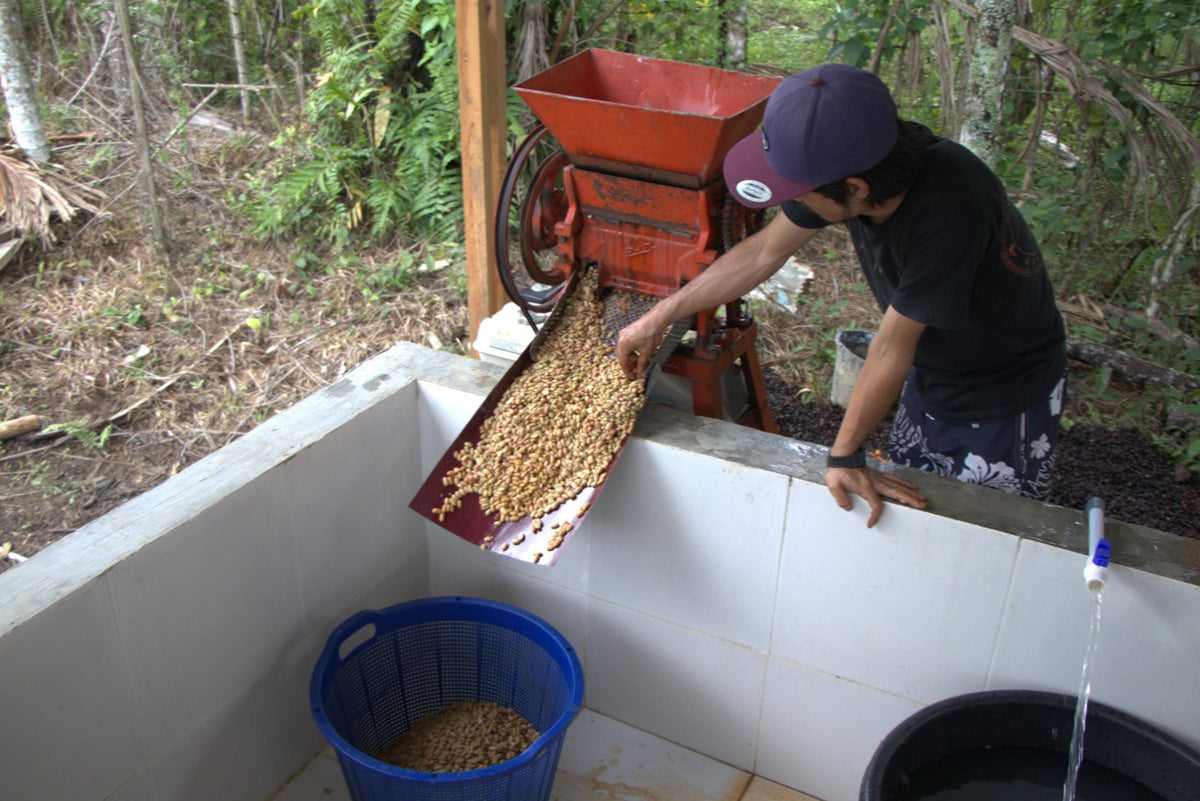
While a reputation tells you what an origin is, a calendar tells you when you can buy it. Harvest timing shapes lot availability, drying and processing periods, quality evaluation, export preparation and container planning. Processing sits between harvest and shipment, and with much Sumatra coffee is wet-hulled, so build that time into your plan before harvest starts, not during or after.
According to the 2026 USDA report, Aceh’s usual October—November main harvest was delayed into early 2026 by excessive rain, with some Arabica plantations hit by the late-November 2025 floods may take 2-3 years to recover.
The Sumatra Coffee Calendar
October—March: Main harvest across Aceh Gayo and North Sumatra, lasting roughly six months. Timing shifts with elevation, rainfall and crop conditions. Gayo GI area sits at 900-1,700m, and high altitude plus shades is described as slowing cherry maturity.
March—May: In Aceh Gayo’s secondary harvest, CBB’s calendar puts it at about 30% of the main-harvest volume. This gives you extra supply not long after the main crop, which is useful for continuity or filling smaller specification gaps.
After Harvest: Processing, drying, milling, grading and quality control sit between cherry and container. Allow for these steps when estimating when lots will actually be ready.
February—June: The typical export window. Shipments usually peak during these months, overlapping the end of the main harvest and the secondary harvest. Expect a burst of activity rather than evenly spread shipments, and confirm dates with your exporter each crop year.
How Sumatra Coffee Fits with Other Indonesian Origins
On CBB’s calendar, Java, Bali, Sulawesi, Flores and Papua harvest roughly from April to October and ship mainly from July to November, with Sumatra’s cycle runs roughly October to June. The two cycles overlap in May–June and October–November but peak at different times of year.
Combining Sumatra with these origins can give access to green coffee across nearly the full year, and in some months, you can plan several origins together. Which mix suits you depends on what you need:
- Supply depth and a long purchasing window: Sumatra’s scale and extended calendar are central.
- A distinct origin story or single-harvest lot: smaller origins such as Bali or Flores may fit better.
Coordinated container planning: understanding where cycles overlap and diverge smooths logistics.
Share:
Sourcing Indonesian Coffee: A Strategic Guide for Asian Coffee Buyers